Passenger Vehicles New BEV
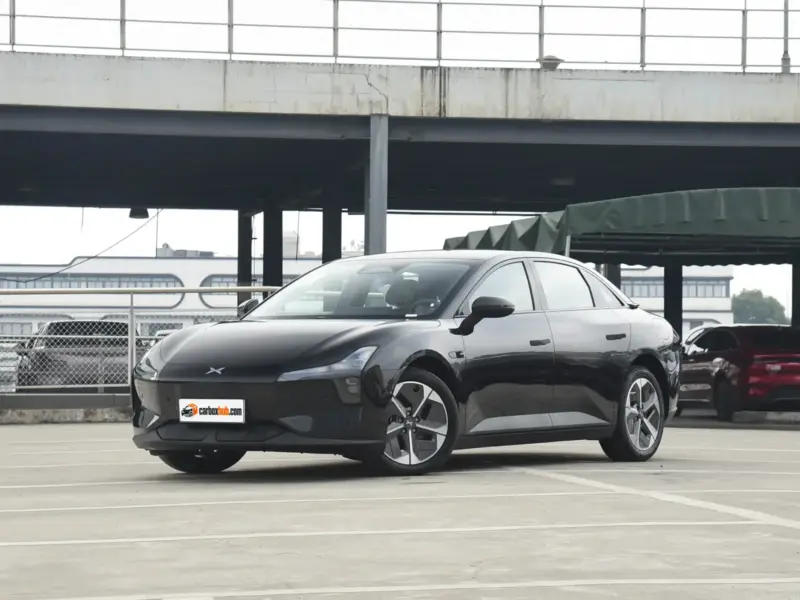
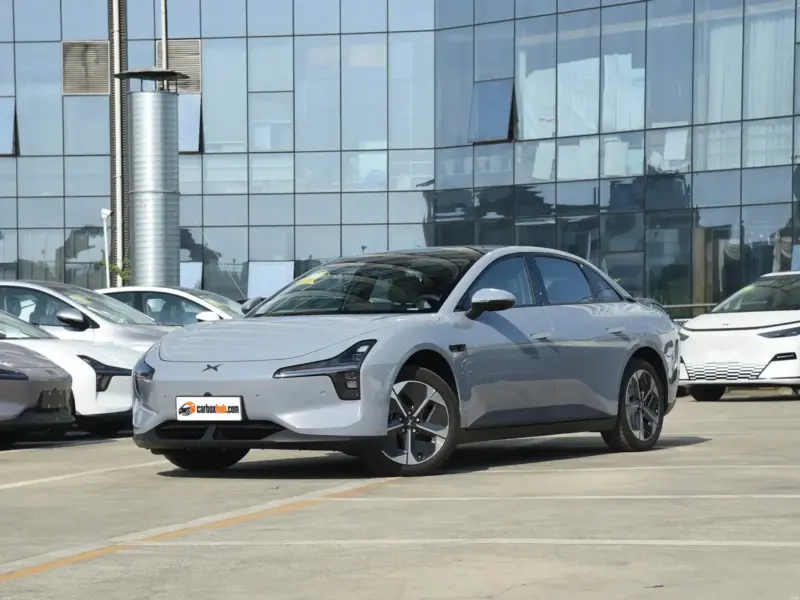
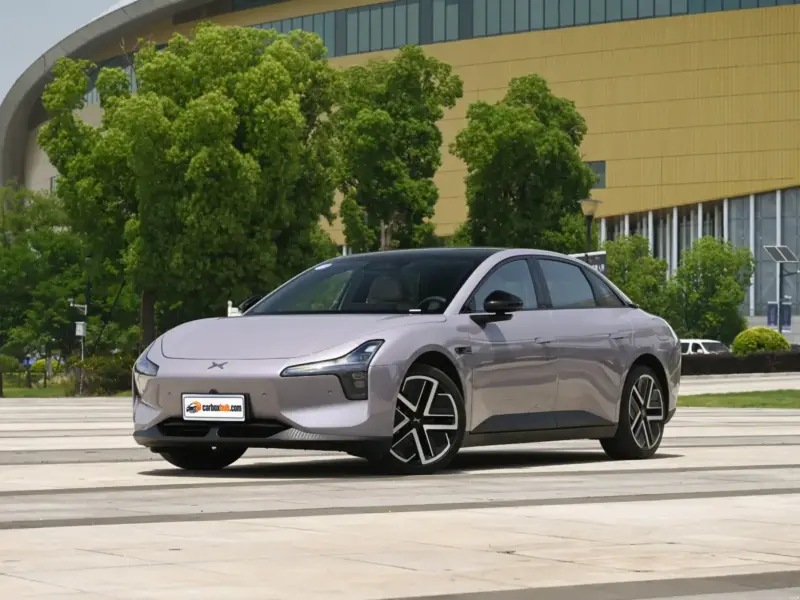
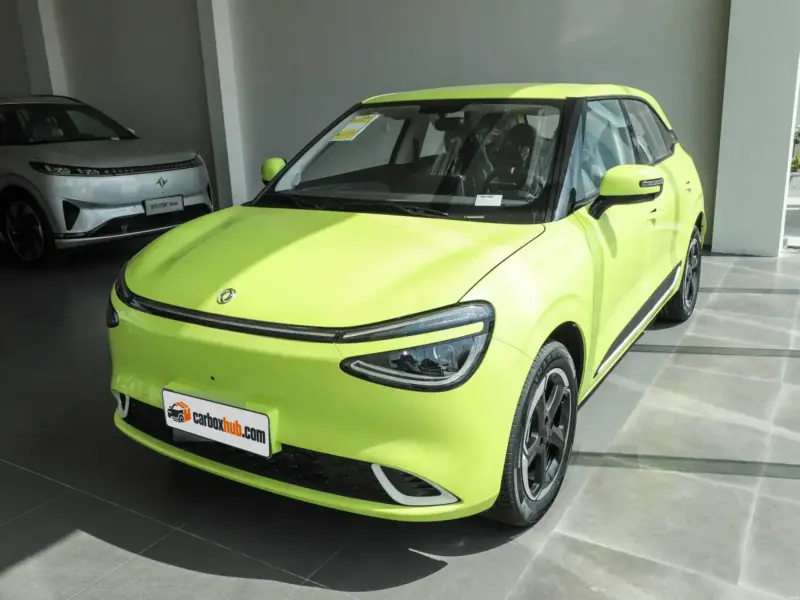
Dongfeng Yipai Nano 01 2026 Refreshed Edition 430 Plus Smart+
- Year
- 2026
- Engine
- 544 Ps
- Transmission
- 1st gear fixed gear ratio
- Fuel Type
- All-Electric
$10,700
View details
Market guide · Costa Rica
Costa Rica is a left-hand-drive market with a dedicated incentive law for electric vehicles. This guide summarises the entry ports, how vehicles from China usually arrive and the import rules to check before ordering Chinese EVs, hybrids or petrol cars.
Puerto Caldera (Pacific) for most cargo from Asia; Moín (Caribbean) also handles vehicle imports[4]
Left-hand drive only: right-hand-drive vehicles cannot be imported for registration, even if converted[1]
Ley 9518 as reformed by Ley 10209: decreasing tax exemptions for EVs up to five years old[2]
Costa Rica–China free trade agreement in force since 1 August 2011[5]
Puerto Caldera on the Pacific coast is Costa Rica’s main gateway for imports from Asia, including vehicles. Cargo from Asia is often transshipped in Mexico or Panama before it reaches Caldera, because the terminal cannot receive the largest vessels[4]. On the Caribbean side, the Moín Container Terminal operated by APM Terminals also lists new and used vehicles among its imports[4].
From China, vehicles travel either on RoRo vessels or inside containers. Which option and which Costa Rican port make sense depends on the quantity, the vehicle size and the vessel schedules at the time of booking. We confirm the port of loading, route and estimated timeline in your written quote rather than publishing fixed transit times.
Chinese-market vehicles are left-hand drive and electric models use the GB/T charging standard; check charging equipment and adapters for your market.
Rules and tax rates change. Buyers should confirm the current rules with their customs broker before ordering. Import clearance, duties and registration are handled by the buyer or the buyer’s broker.
Inventory
Battery-electric models are the ones affected by the incentive schedule above. These EVs are from our current inventory; hybrid and petrol models are also available.
Prices are USD reference prices from our database, subject to real-time availability and final confirmation in your written quotation.
Planning an order for Costa Rica? Send the models, quantity and preferred port (Caldera or Moín). We reply with a written FOB or CIF quote.
Payment: T/T bank transfer, 20% deposit and the 80% balance when the vehicles arrive at the Chinese port, before export shipment. Minimum order: one shipping container per order.
Prices, Incoterm and shipping option are confirmed in writing before you pay anything. How to Buy · FAQ
Public sources checked on 28 September 2026. This guide is general information, not legal or customs advice.
Custom sourcing
Send the brand, model, trim, quantity and destination port. We check availability in China and reply with a written quotation — or tell you clearly if we cannot source it.